Yufei Chen is an artist based in London and Beijing. His practice experiments in various forms in producing counterarguments to the deeply rooted imperial narrative in our current institutional and public spheres.
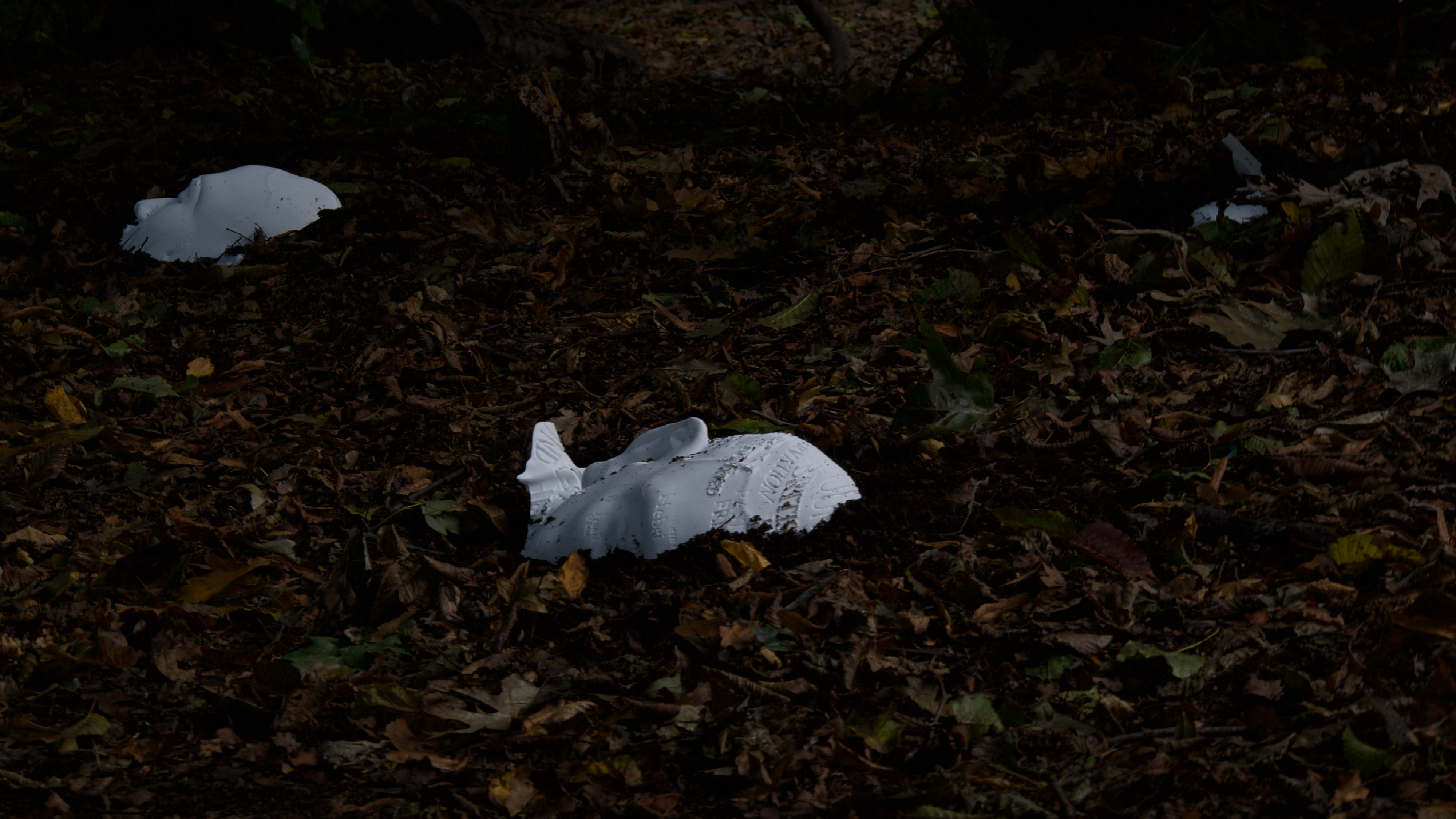
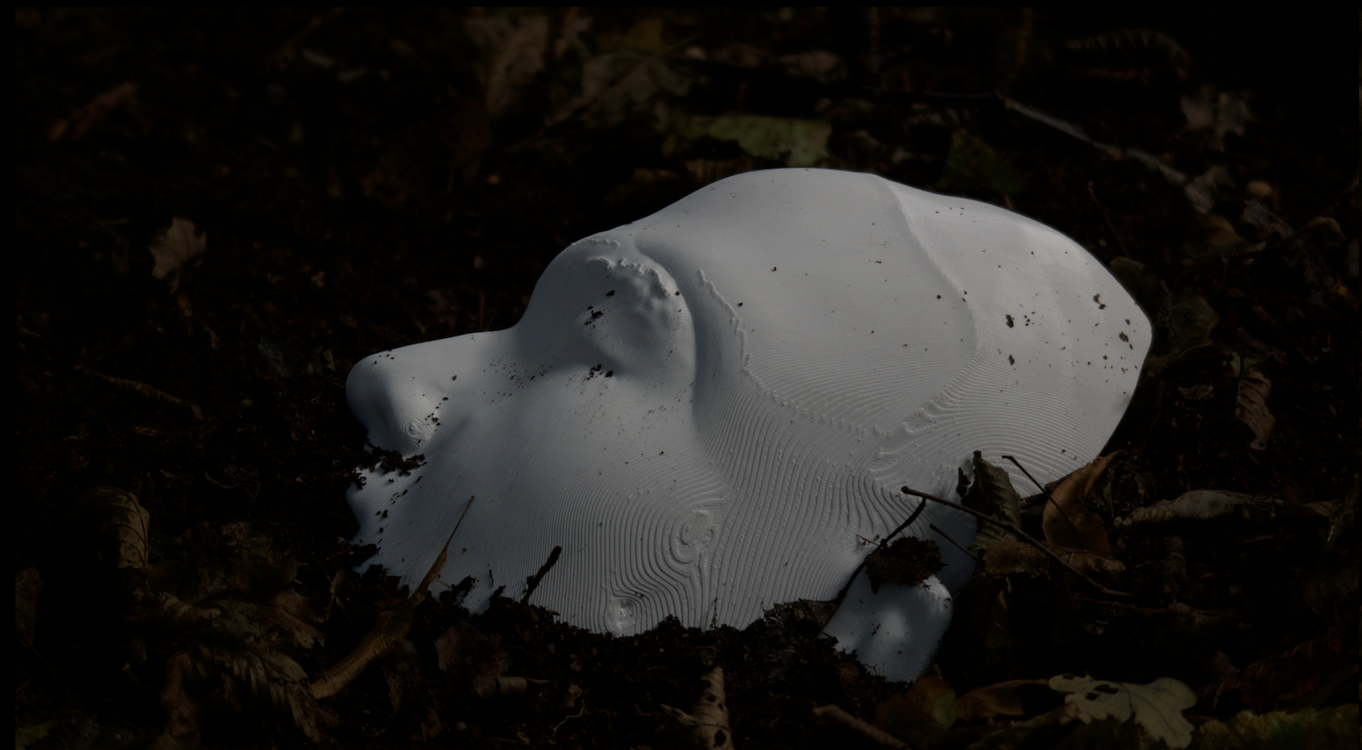
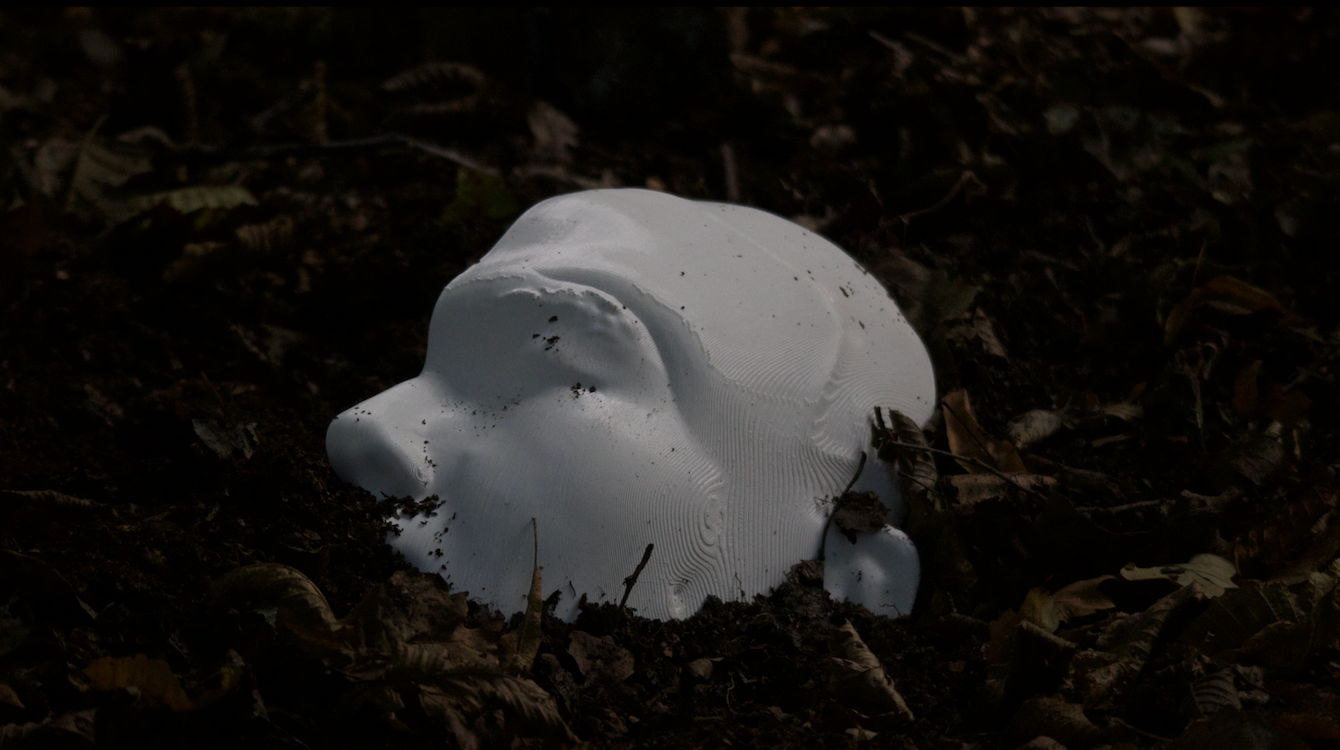
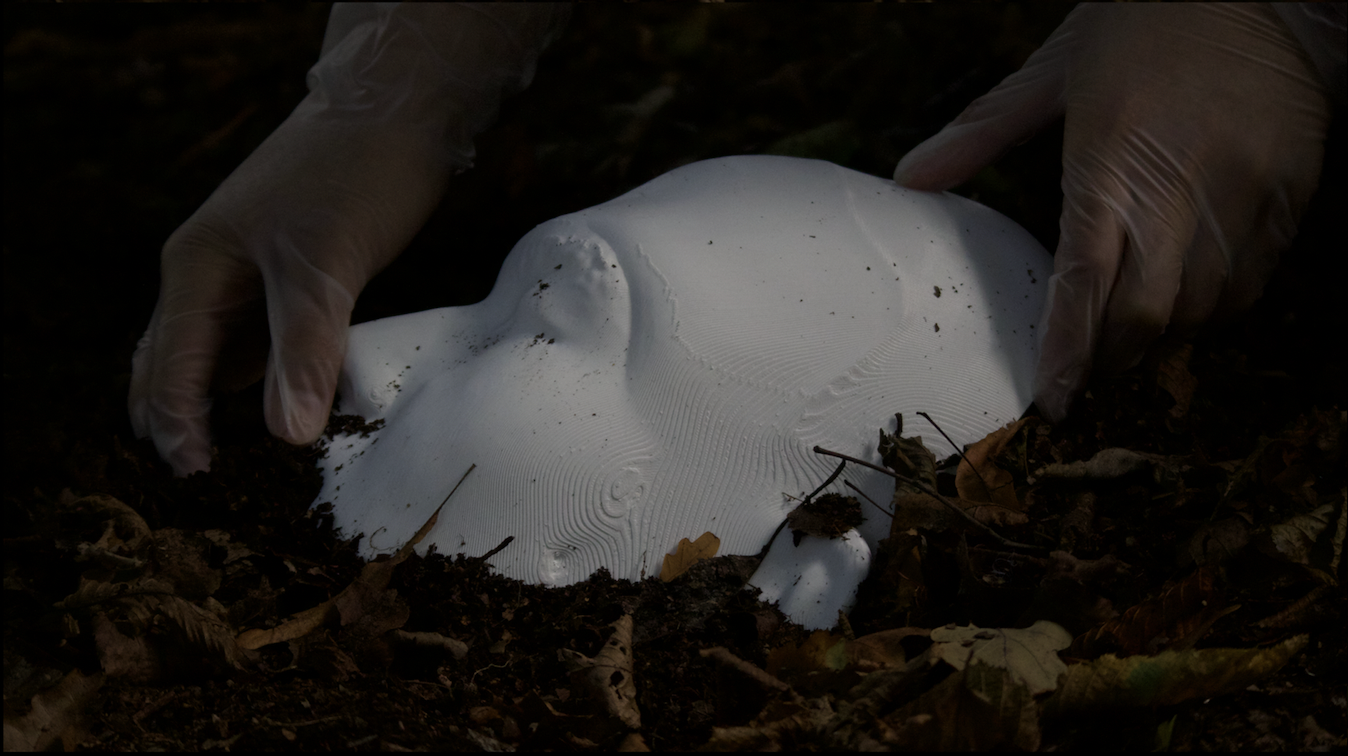
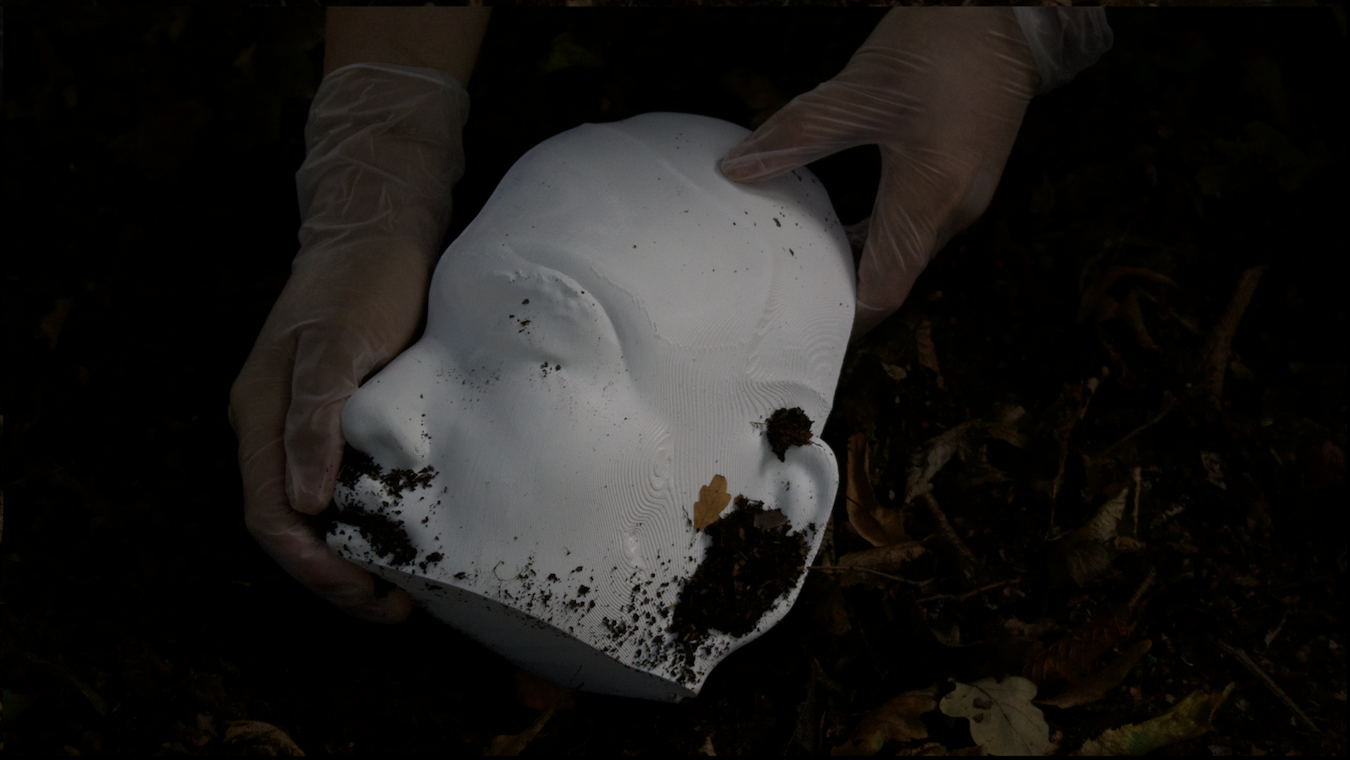
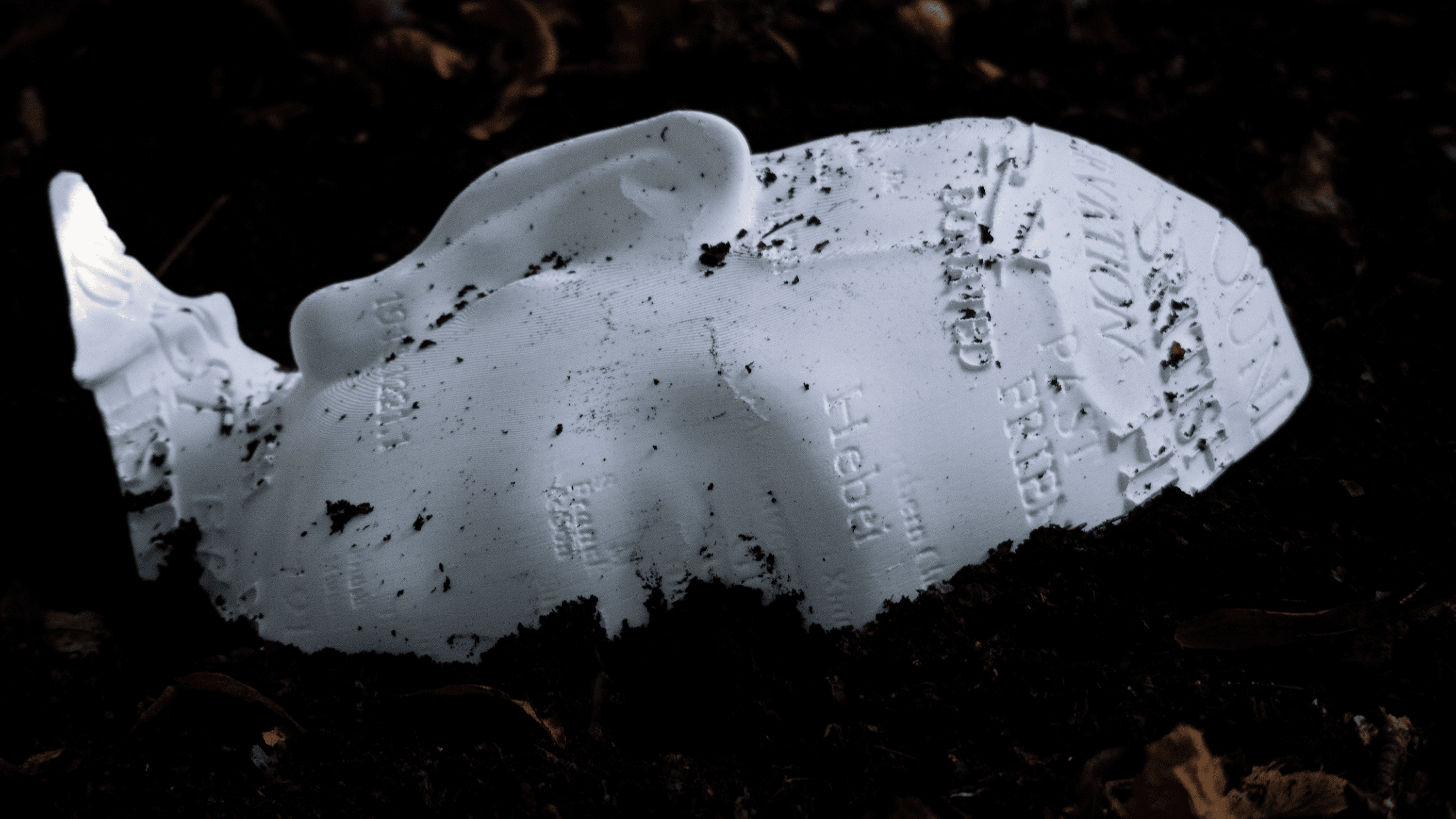
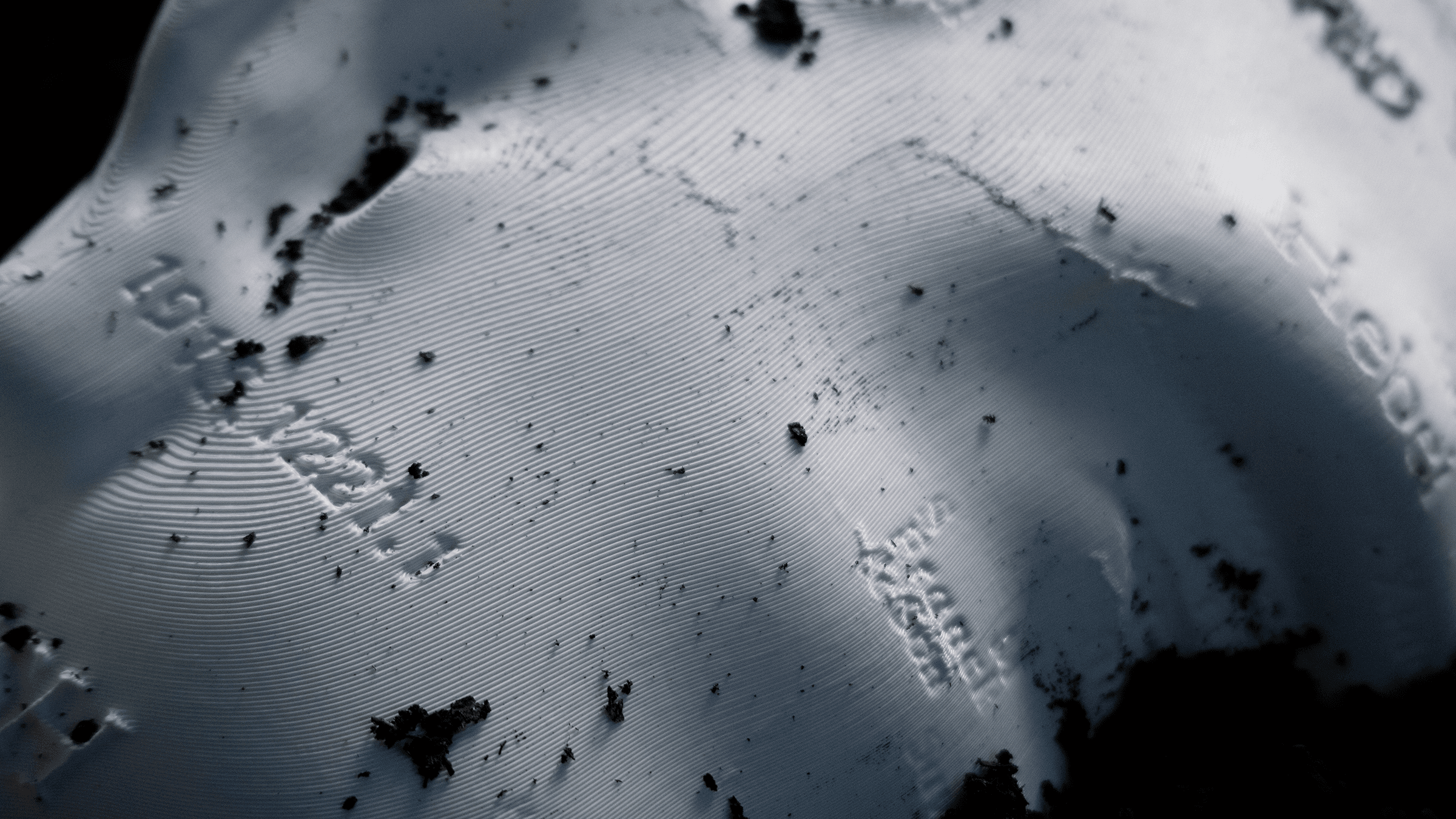
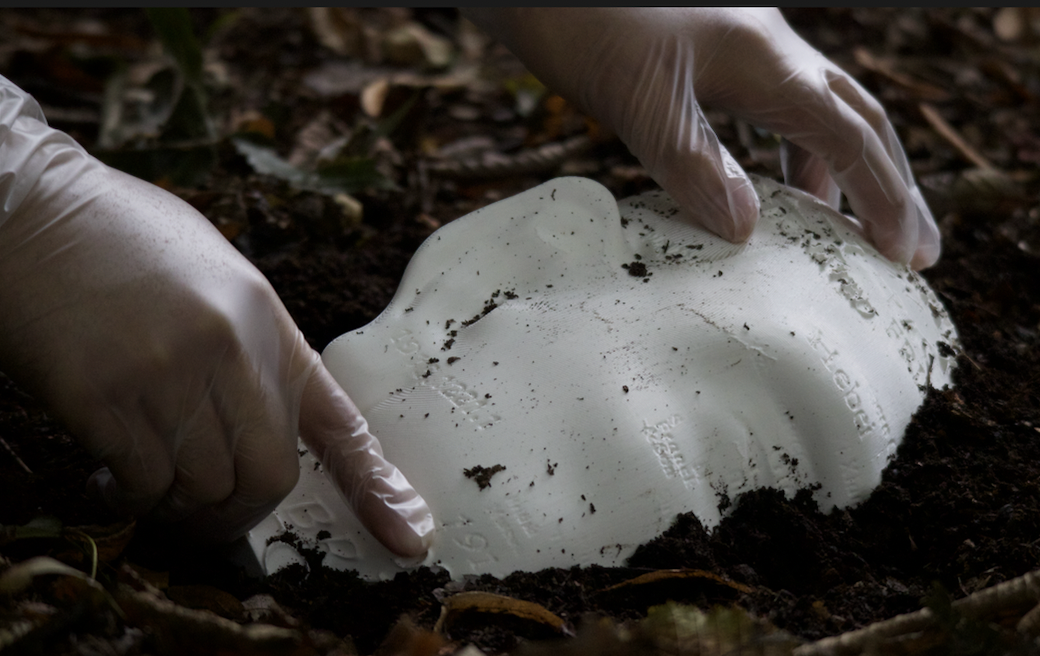
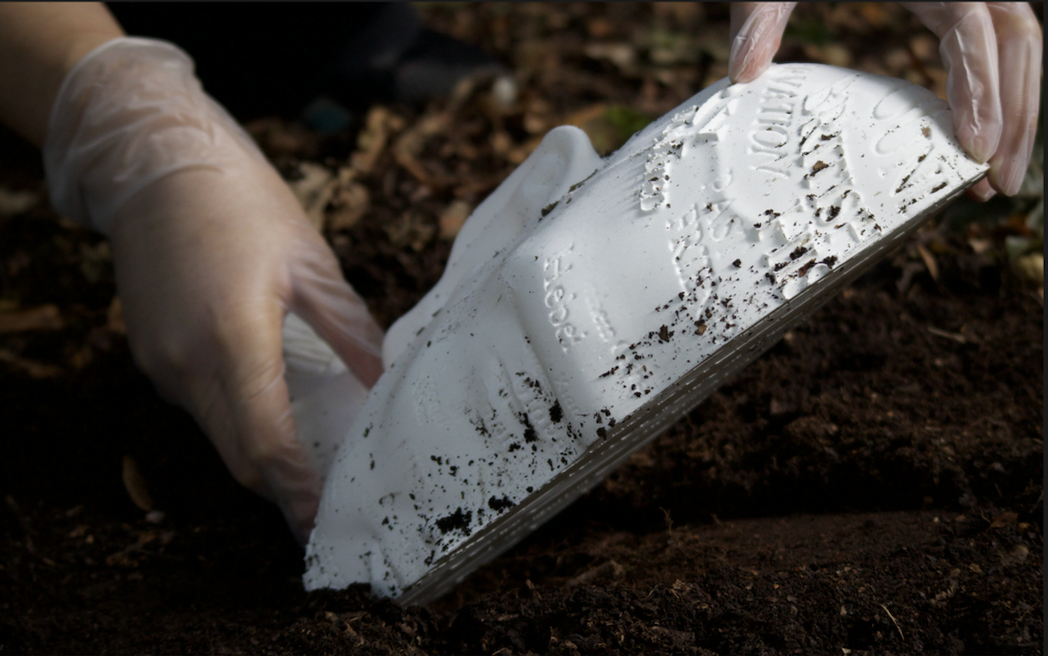
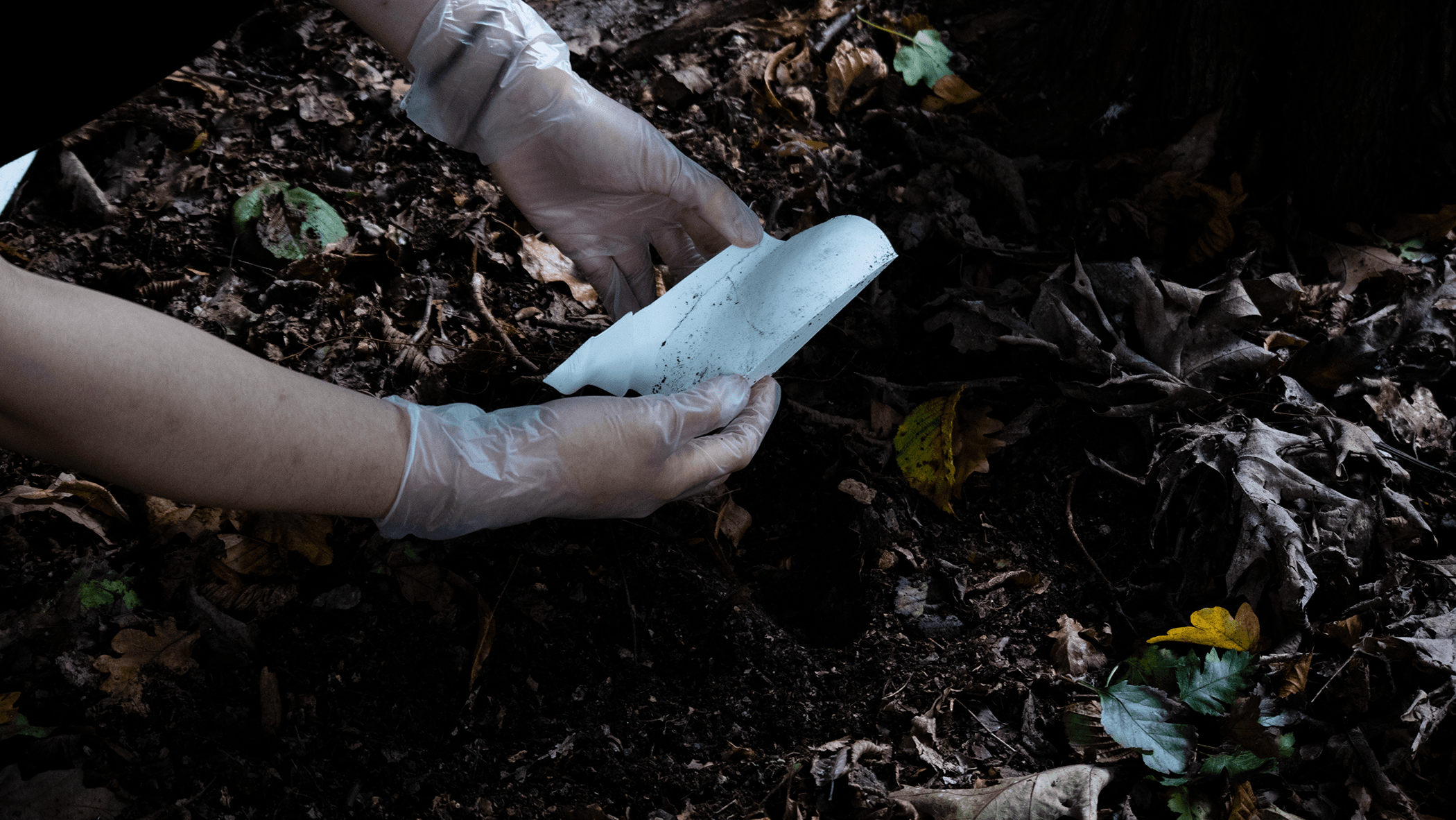
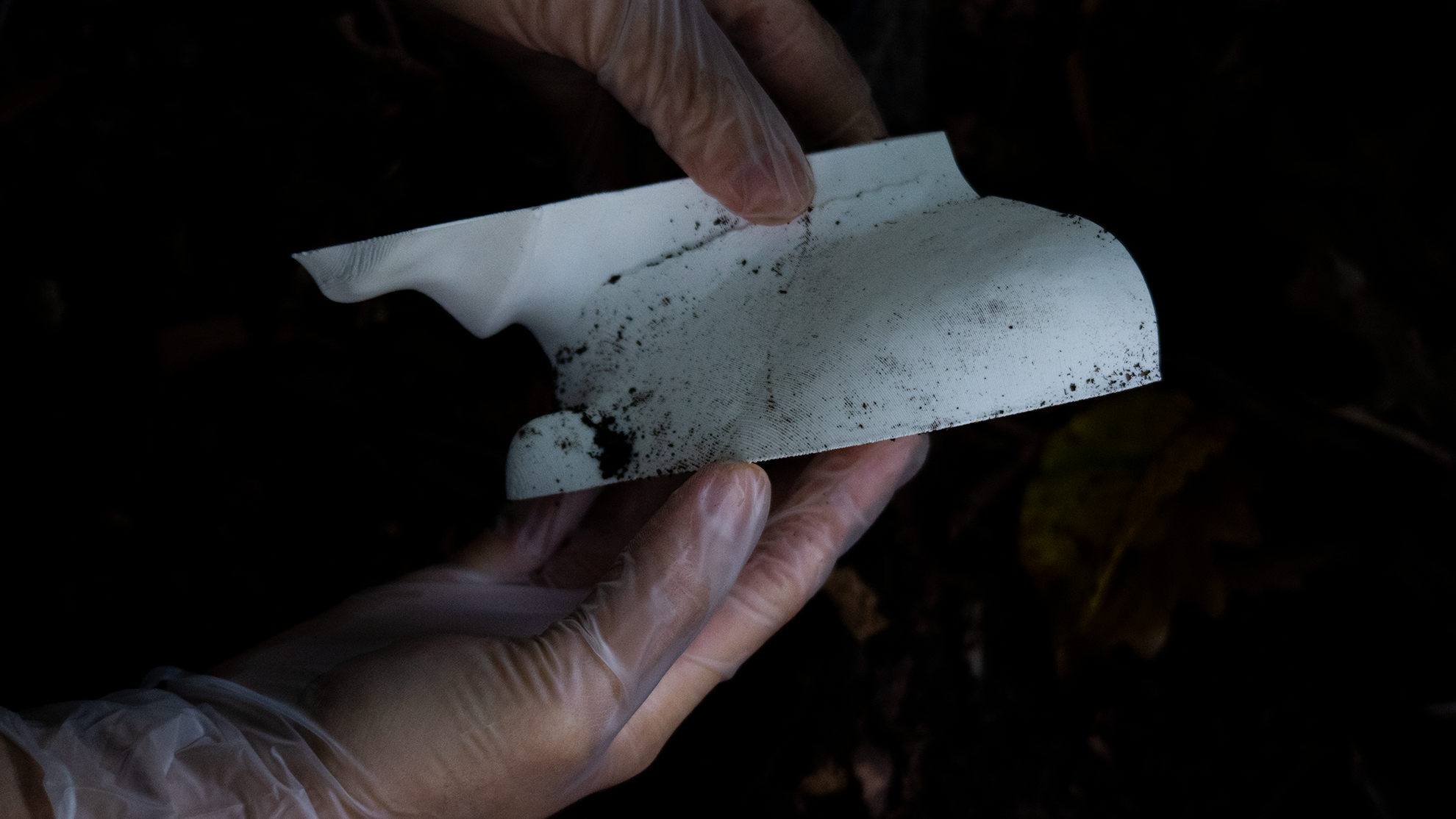
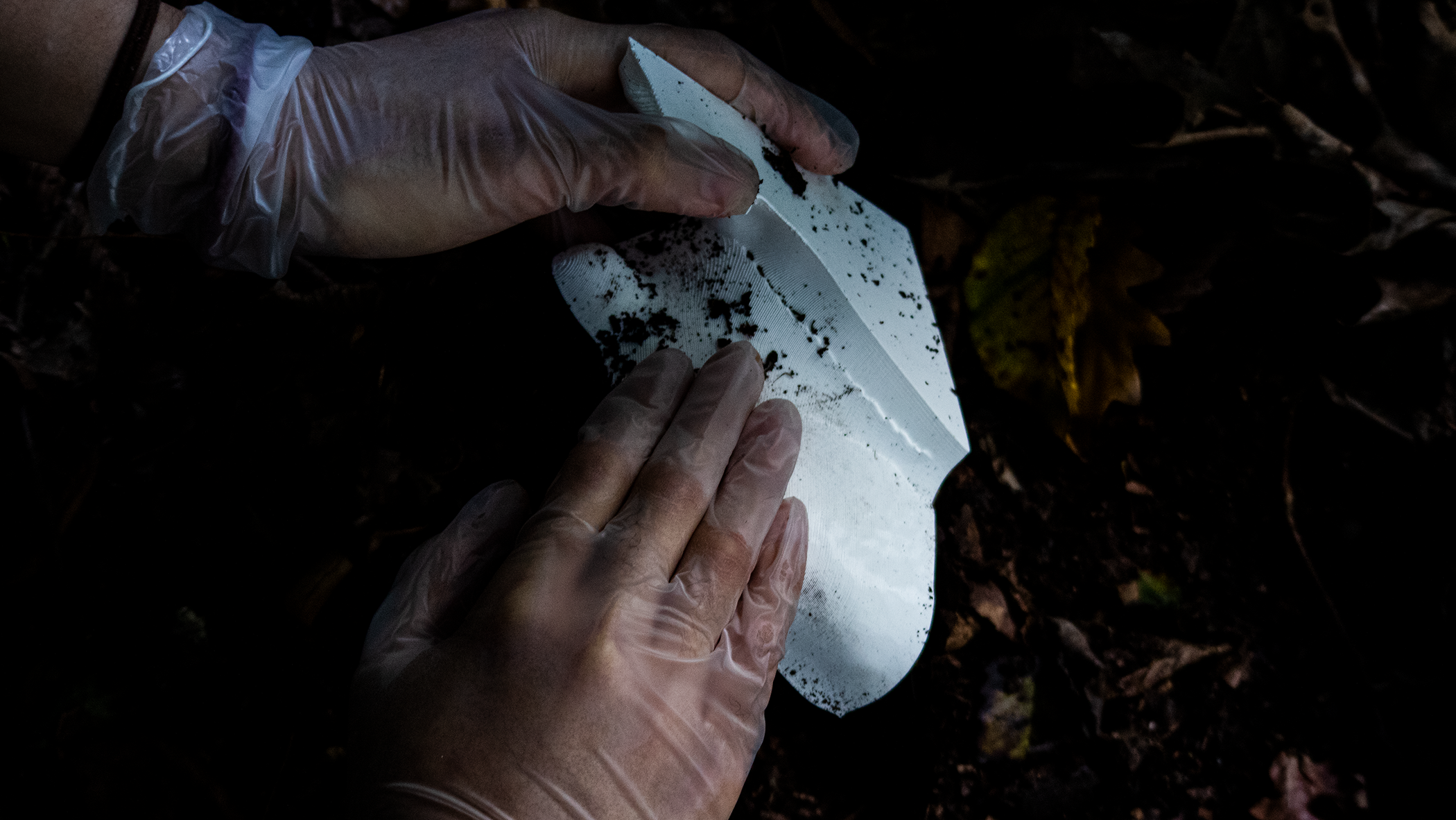
His work often takes inspiration from historical documents and museum archives as a starting point of investigation, where he aims to produce ghostly images, photos, animation, and sculptures that seem to be transferring, fading away or unrecognisable, in resisting the imperial thinking that everything should be documented clearly through an imperial lens.
The artist believes the crises of misplacement of cultures, misinterpretation of weaker communities, and cultural erasure are still happening and should not be marked as past “history.” In the most recent works, the artist uses the melting of ice sculptures of historical artefacts that suffered from colonial plunder, or implements cyanotype with re-washing process of personal album tangled with geopolitical context in producing works that is often in a motion of disappearing, attempting to retell these neglected stories while refusing to be capture or reproduce them for Western benefit.
Education
2025 - 2026 Contemporary Art Practice, Royal College of Art, London
2022 - 2025 BA Fine Art, Central Saint Martins, University of the Arts London, London
Selected Group Exhibitions
2024
SOGLIE DELL’ INVISIBLE, ISOLART GALLERY, Italian
Awards
2025
Winner of the 2025 Maison/0 Awards, London
His work often takes inspiration from historical documents and museum archives as a starting point of investigation, where he aims to produce ghostly images, photos, animation, and sculptures that seem to be transferring, fading away or unrecognisable, in resisting the imperial thinking that everything should be documented clearly through an imperial lens.
The artist believes the crises of misplacement of cultures, misinterpretation of weaker communities, and cultural erasure are still happening and should not be marked as past “history.” In the most recent works, the artist uses the melting of ice sculptures of historical artefacts that suffered from colonial plunder, or implements cyanotype with re-washing process of personal album tangled with geopolitical context in producing works that is often in a motion of disappearing, attempting to retell these neglected stories while refusing to be capture or reproduce them for Western benefit.
Education
2025 - 2026 Contemporary Art Practice, Royal College of Art, London
2022 - 2025 BA Fine Art, Central Saint Martins, University of the Arts London, London
Selected Group Exhibitions
2024
SOGLIE DELL’ INVISIBLE, ISOLART GALLERY, Italian
Awards
2025
Winner of the 2025 Maison/0 Awards, London